An instrument you no longer use can change a child's life.
Step 1
Contact us
Write or call us to coordinate the donation.
Step 2
We pick it up
We arrange collection at a convenient location.
Step 3
We deliver it
The instrument reaches the hands of someone who needs it.
We cover the shipping
We arrange pickup through a courier (FedEx or similar, depending on your location), nationally and internationally, at no cost to you. If the number of instruments to donate is large, we collect them in person.
Have a different instrument? We accept all types of instruments in good condition.
Our impact · 2011–2012
A donation still playing
73 instruments that crossed from Connecticut to Natá — and the youth orchestra they still sustain.
70
Wind instruments
3
String instruments
2011–2012
First contribution
+12
Years of use today
Between 2011 and 2012, the FPN made its first contribution to music education, facilitating the transport of 70 wind instruments and 3 string instruments from Connecticut, USA, thanks to the efforts of the person who became its principal benefactor, Professor Polly Torrence.
Mrs. Polly is known for her role as a teacher, composer, and music director in Connecticut's public school system. Throughout her career, she has focused on comprehensive music education, combining school music pedagogy with the study of global music and culture. She visits Panama every year.
Another person who helped transport donated musical instruments from the United States was Mrs. Nela Choice, who personally carried them as excess baggage on every trip she made.
The recipients of these instruments are the children who are members of the Orquesta Juvenil de Natá, a musical group that has trained hundreds of young Panamanians, who are sponsored by the Fundación Orquesta Juvenil de Natá (FOJUNA) and receive support from teachers at institutions such as the Merit Music School of Connecticut.
FOJUNA is currently presided over by Mrs. Olga Alemán, niece of Pancho Alemán, and its treasurer is Mrs. Rosa María Gnegi de Ayala.
FOJUNA receives financial contributions from the Lotería Nacional de Beneficencia, from lawyer and Rotarian Octavio Del Moral Prado, and in-kind cooperation from Mr. Juan Castillo, oboist of the Orquesta Nacional Sinfónica de Panamá, who is also an arranger and composer.
FOJUNA's leadership currently meets every Saturday at the old Natá market building, which bears the name of Mr. Mariano Prado, grandfather of lawyer and Rotarian Octavio (Tato) Del Moral Prado. In this same location, the Orchestra holds its regular rehearsals.
The Orquesta Juvenil de Natá has the voluntary support of a general practitioner and a psychologist. It performs in churches and venues throughout the country, including Panama City. Its most recent performance was on Saturday, August 1, 2026, as part of the XVII National Crafts Fair. However, the Orchestra still lacks transportation and a driver, and continues to use instruments that are more than twelve years old.
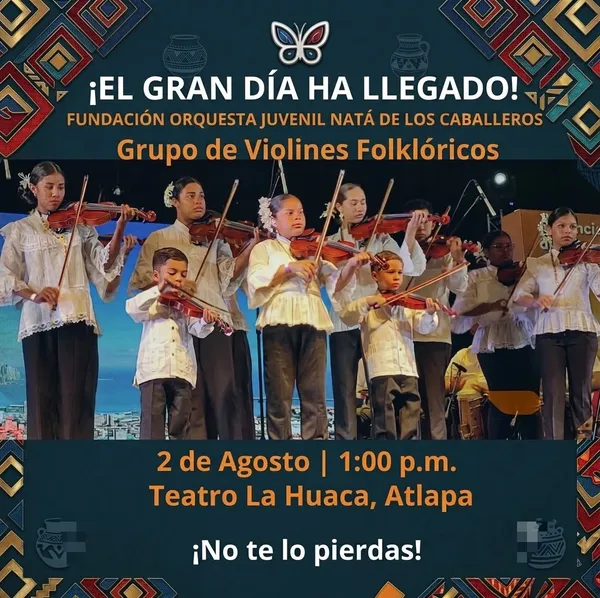
Some of the performances of the Orquesta Juvenil Natá de los Caballeros are featured on social media, such as Instagram @fojuna, and in SER TV videos.
Current needs
The Orquesta Juvenil de Natá still lacks transportation and a driver. The orchestra continues to use instruments that are more than twelve years old.
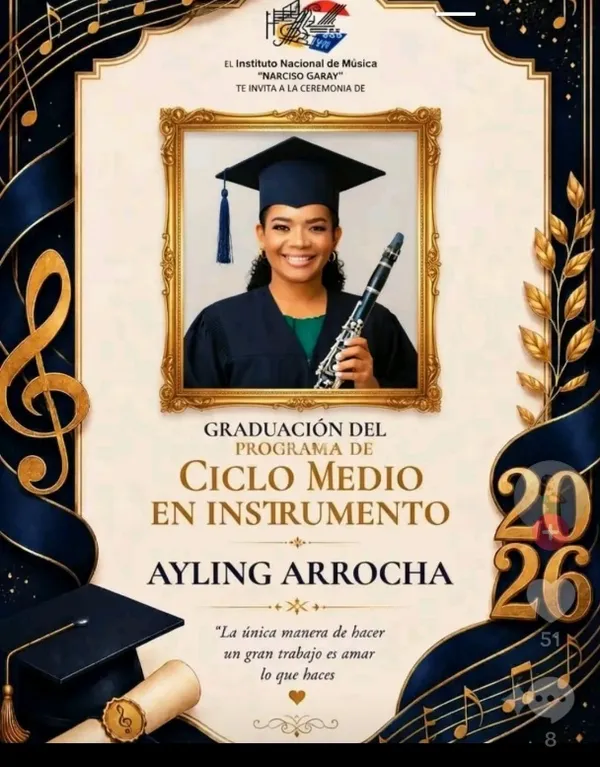
Poster for the Folkloric Violin Group of the Fundación Orquesta Juvenil Natá de los Caballeros — Teatro La Huaca, Atlapa. Graduation announcement for Ayling Arrocha at the Instituto Nacional de Música «Narciso Garay», 2026. She began in the Orquesta Juvenil de Natá.
The latest updates from the Pipo Navarro Foundation.
September 14, 2026
Our website is now online!
We're glad to share that the Pipo Navarro Foundation now has its own website. Here you can learn about our history, the impact of our instrument donations, and upcoming news.
This News section is brand new and we'll keep adding updates. Thank you for being part of this!
Our journey
Past Events
Moments that have shaped our story.
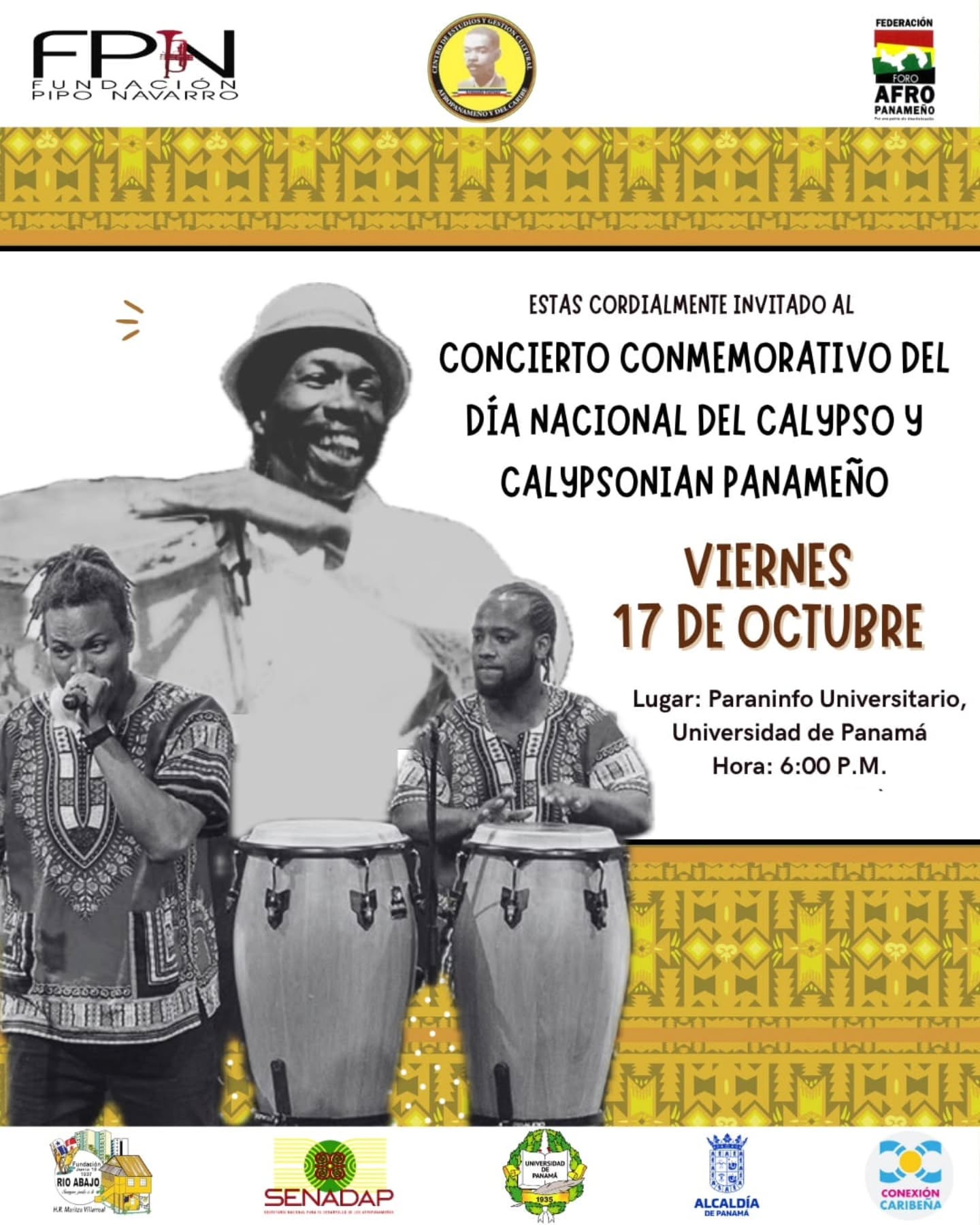
October 17, 2025
Commemorative Concert for National Calypso Day
Paraninfo, University of Panama, Panama City
February 5, 2025
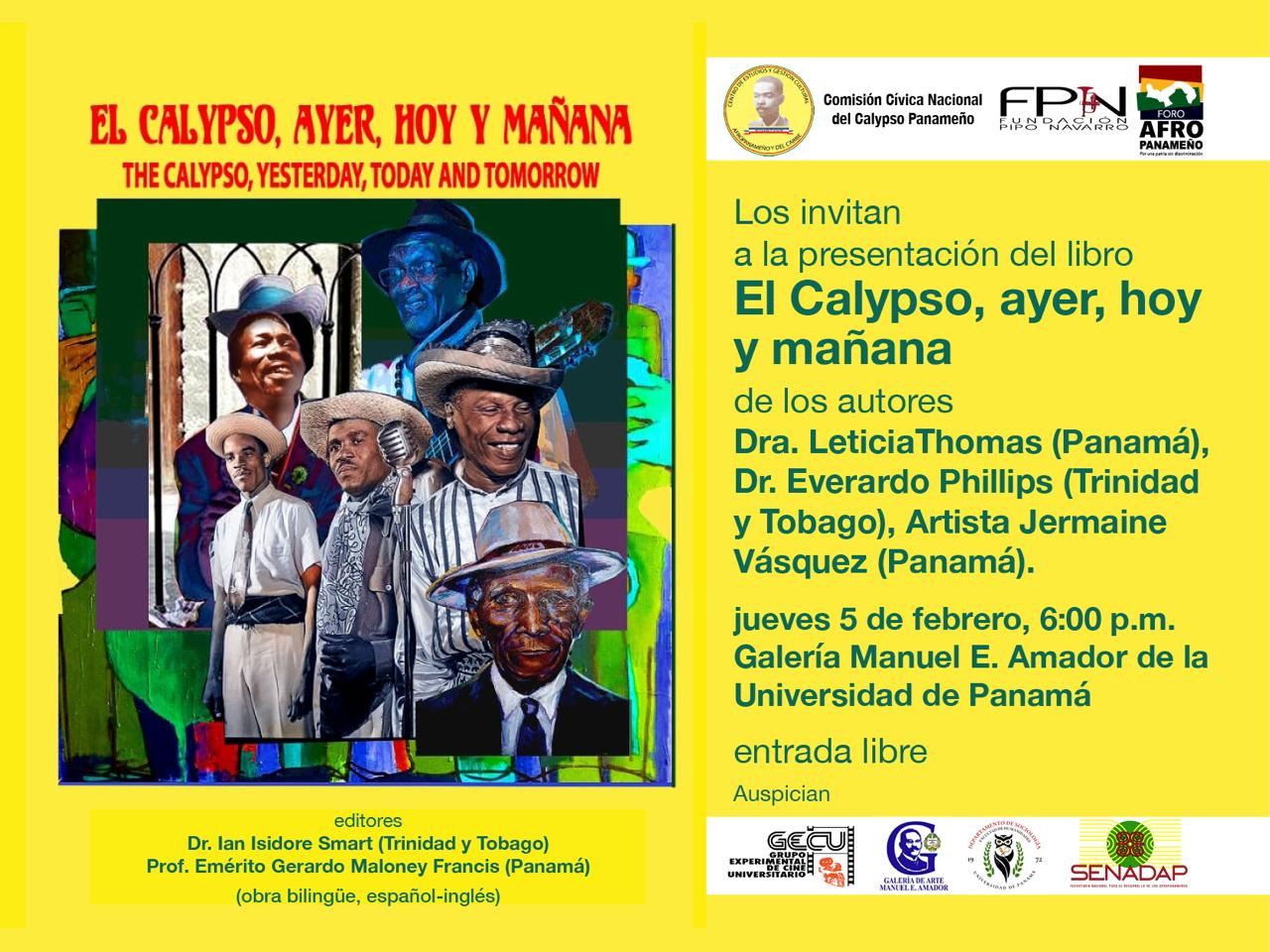
Book Launch: 'Calypso, Yesterday, Today and Tomorrow'
Manuel E. Amador Gallery, University of Panama, Panama City
October 17, 2024
National Calypso Day: Preserving a Panamanian Tradition
Panama City, Panama
Our history
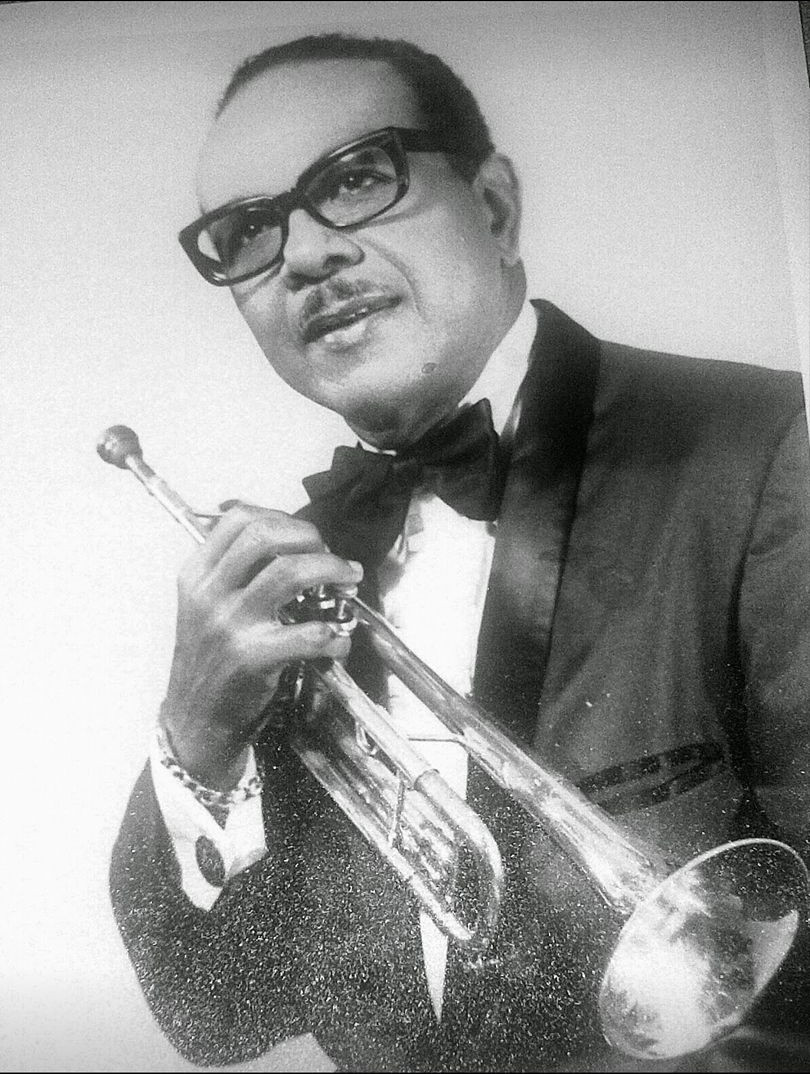
Who was Pipo Navarro?
Panamanian trumpeter, teacher, and composer (1921–1981)
This distinguished son of Panama was born in Panama City on December 2, 1921. He was the son of don Ezequiel Navarro and doña Laura Flores de Navarro.
His first encounter with music took place in the band of Colegio Don Bosco, a Salesian institution where he studied and learned to play the snare drum. He later enrolled at the National Conservatory, from which he graduated in 1941, guided by teachers such as José Luis Cajar, with whom he began his trumpet studies, as well as Cleveland Reynolds, Rebeca de Vergel, and Hans Janowits, among others.
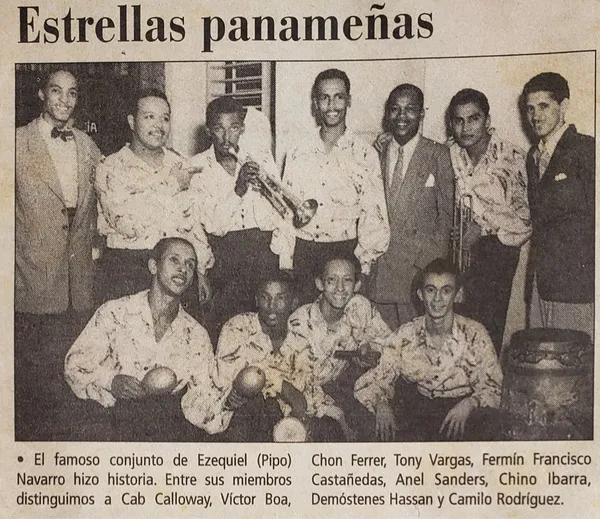
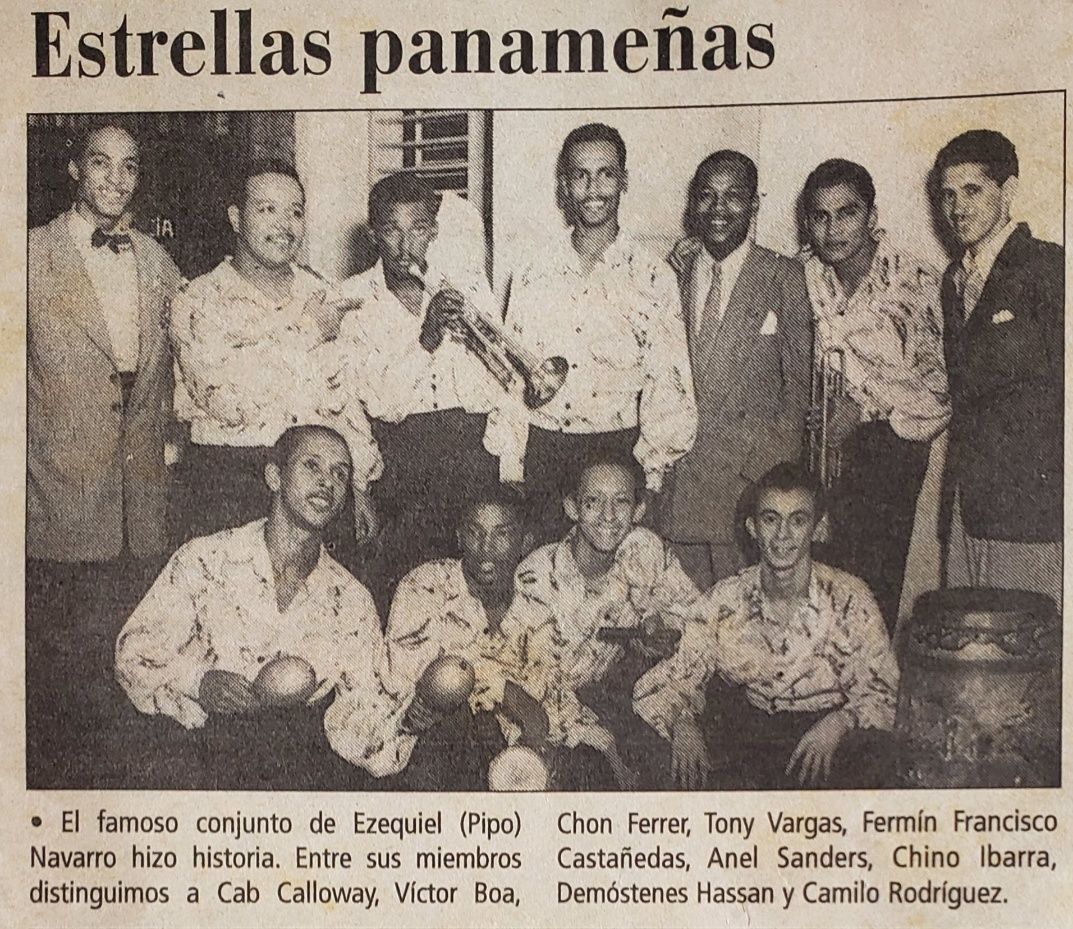
Shortly after obtaining his degree from the National Conservatory, he joined professional life as a musician with Palito Hayes' Orquesta Continental. He soon formed his own ensemble, the Orquesta Imperial de Pipo Navarro, as well as the Conjunto Estrellas Panameñas de Pipo Navarro, where he excelled as director, arranger, and composer.
El maestro Pipo Navarro (segundo de pie, de izquierda a derecha) junto a los miembros de su agrupación Estrellas Panameñas.
During his youth, while studying at Colegio Don Bosco, his slender frame changed over time, and he was affectionately nicknamed "Pipo" — the name by which he would always be remembered. He married doña Benigna María Barría, from the province of Chiriquí, with whom he raised his family and had two children: Deyka Ruth and Ezequiel.
His career also took him to Central America and Mexico, where he lived for two years practicing his craft and enriching his musical formation through exchanges with the renowned Panamanian maestro Roque Cordero.
Gifted with a deep vocation for teaching, Maestro Pipo Navarro devoted much of his life to training new generations of musicians. He taught in the Music Department of the University of Panama, directed the National School of Music — where he also taught Musical Structure —, was a member of the Panama Symphony Orchestra, and taught at the Escuela Elena Ch. de Pinate, where he also founded the school's musical band.
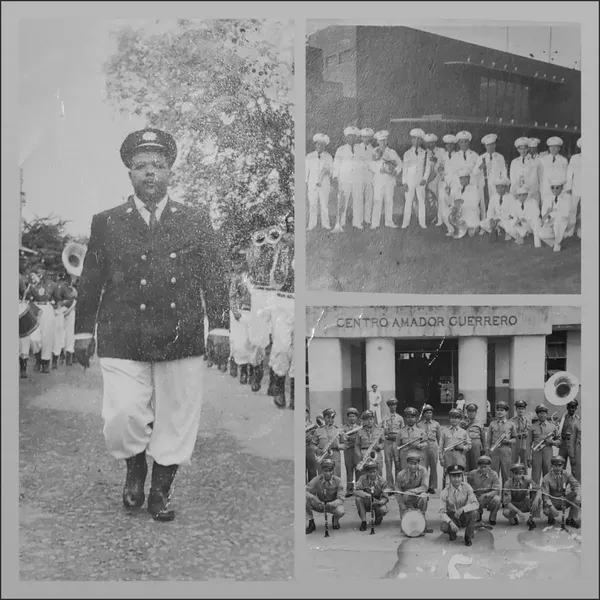
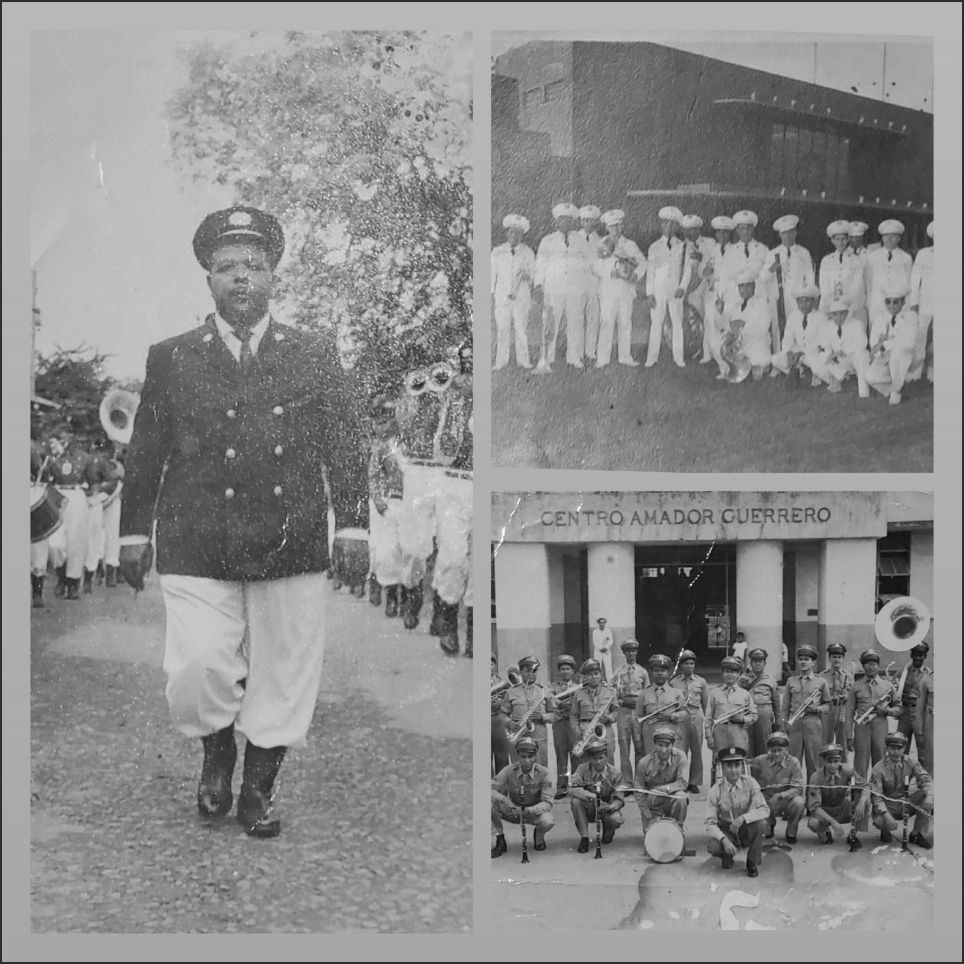
Among his most notable achievements were the organization and direction of the Hotel El Panamá Orchestra, where he worked for over ten years; the direction of the First Latin American Festival; his participation in directing the OTI Festival, where he received important recognition; and his role as director of the La Chorrera Firefighters' Band.
El director Pipo Navarro con distintas agrupaciones: Cuerpo de Bomberos de La Chorrera, Banda Republicana y Cuerpo de Música de la Policía Nacional.
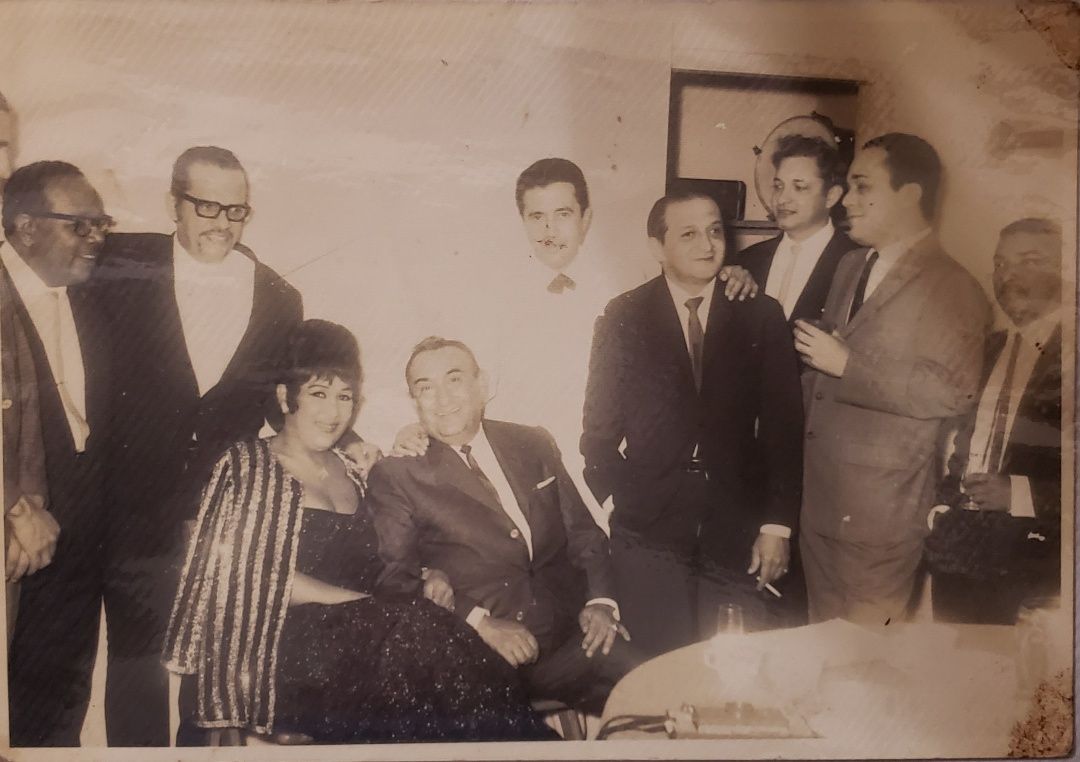
Professor Ezequiel A. Navarro Flores left an invaluable legacy in Panamanian music. Among his greatest contributions was the training of nationally prestigious musicians such as Maestro Luis Efraín "Pin" Castro and Jaime Lombardo, as well as memorable musical arrangements including "Amando Soy Feliz," performed by Los Hermanos Rigual; "Basta de Soñar," by composer Pepe Zamora; and "Navidad," of his own authorship. He also shared stages with artists of the caliber of Olga Guillot, Celia Cruz, Willie Colón, and Pellín Rodríguez of El Gran Combo.
El maestro Pipo Navarro junto a Pedro Vargas (México) y Olga Guillot (Cuba).
Pipo departed this life on November 4, 1981, leaving behind a luminous mark on Panamanian culture. His memory lives on in his music, in his students, and in the affection of all who remember him as a man who was always smiling, generous, and deeply devoted to his art.
About the Foundation
The Pipo Navarro Foundation arose as an initiative by his children, Deyka and Ezequiel, together with Moisés Véliz Arosemena, with the purpose of continuing the legacy of Maestro Ezequiel A. Navarro Flores, guiding and motivating young students in the learning and performance of musical instruments.
The Foundation was established through Public Deed No. 23,841, dated November 25, 2011, and its Foundational Regulations were set forth through Public Deed No. 24,392, dated December 5, 2011.
It is a private interest organization based in the Republic of Panama, whose activities are directed by a Foundation Council.
Mission
The Pipo Navarro Foundation is committed to promoting the democratization of and access to music education, with an emphasis on children and adolescents in vulnerable situations in the Republic of Panama.
Vision
To become a leading organization in the promotion of music education in Panama, facilitating access to musical instruments and coordinating efforts with public and private sector entities to support the training of musicians and musical groups that bring honor to the country.
Pipo Navarro Foundation · May 22, 2024
Tribute to Calypso
Exhibition on the Law declaring October 17 of each year as the Day of Panamanian Calypso and Calypsonians
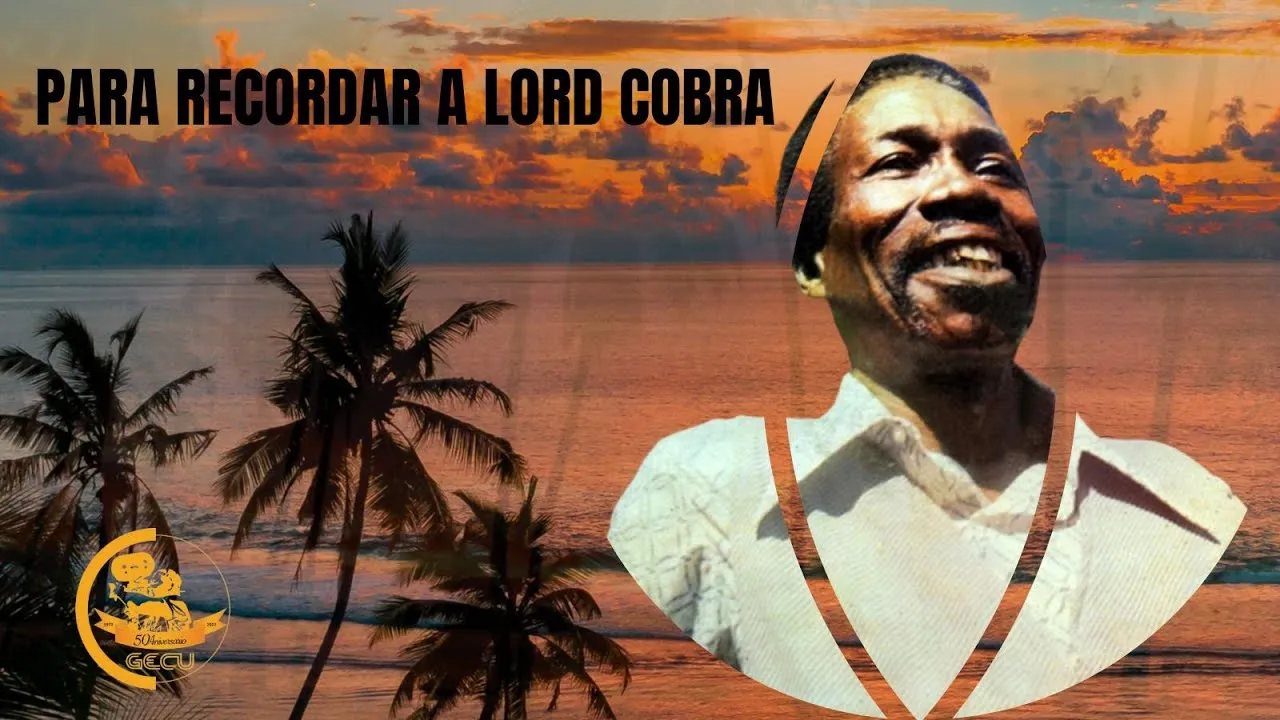
Para recordar a Lord Cobra
Documentary courtesy of GECU Panamá · University of Panama
The massive arrival of Afro-Antilleans from Trinidad & Tobago and Barbados during the construction of the Panama Canal introduced the Caribbean musical genre known as Calypso to our country, which developed mainly in the provinces of Bocas del Toro and Colón.
Over the years, valuable performers, exponents, and musical groups turned it into the most popular musical genre of the 1960s and 70s. We still remember some of its most outstanding exponents: Wilfred Methusiel Berry Gonin, better known as Lord Cobra, born precisely on Isla Bastimentos, province of Bocas del Toro; Pedrito Altamiranda, who recently passed away; Sir Valentino, Black Majesty, and musical groups such as Descendant Calipso Band, Grupo Amistad, The Beachers, and many others.
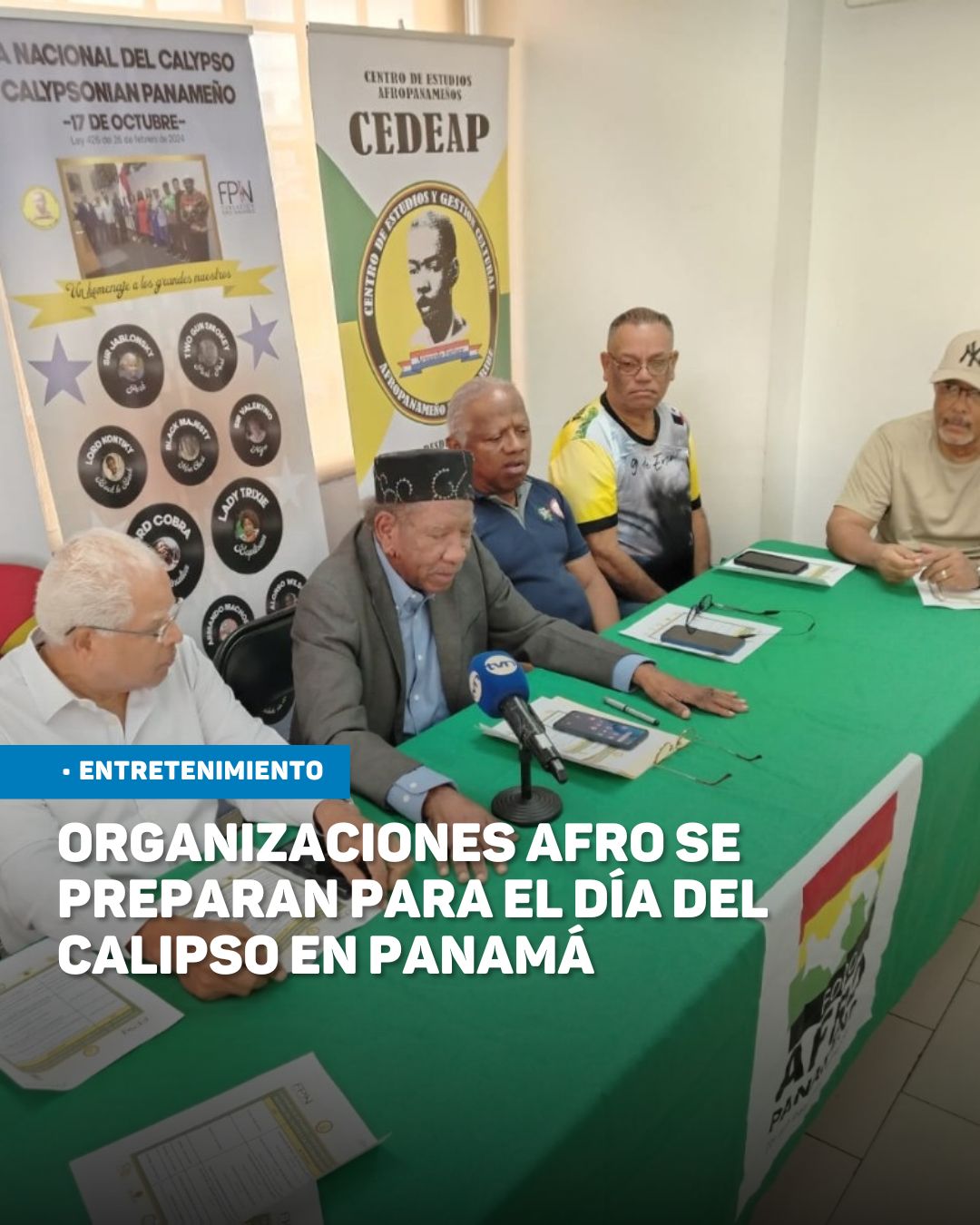
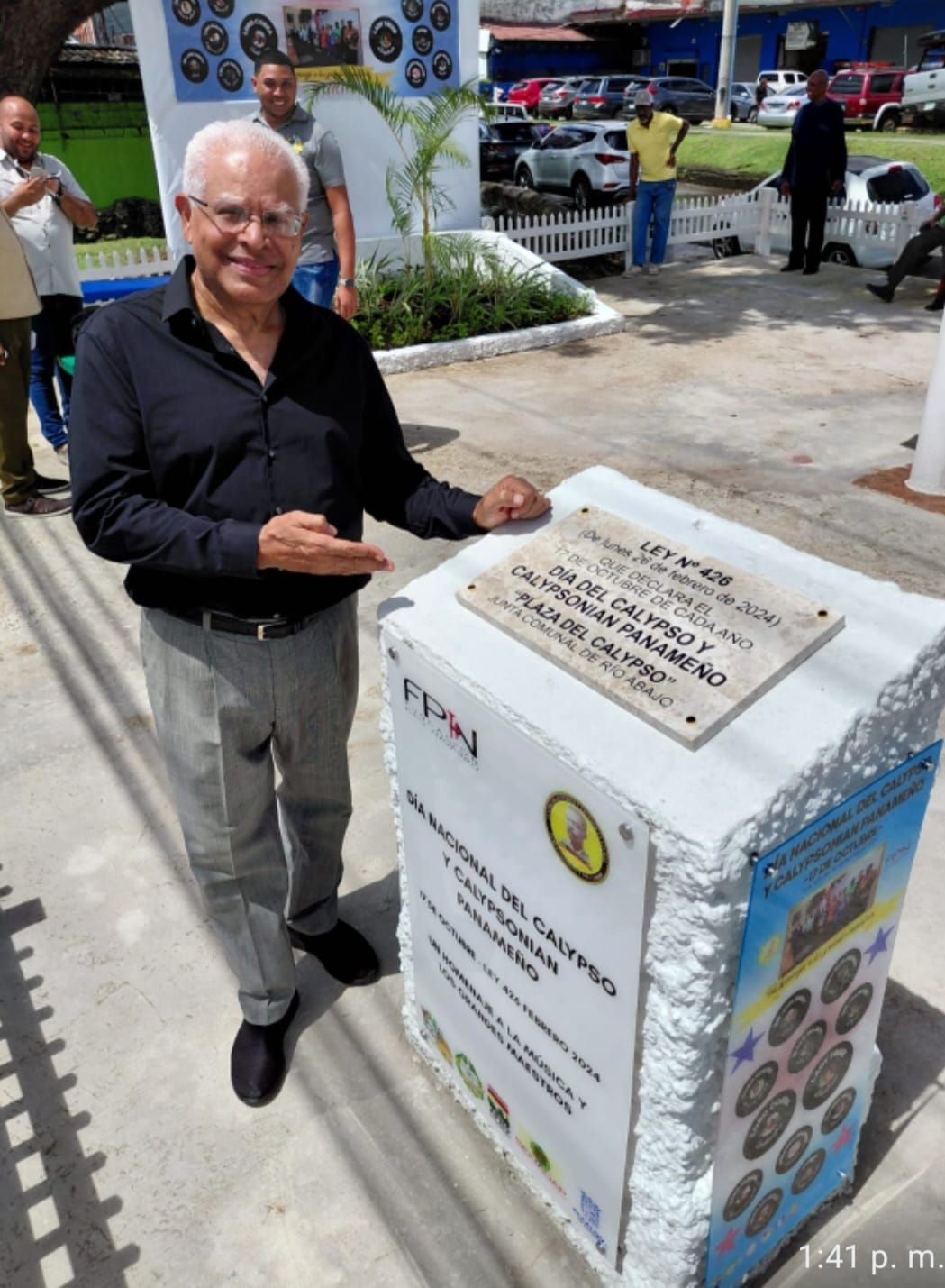
This musical, artistic, and historical legacy motivated the Pipo Navarro Foundation and the Center for Afro-Panamanian Studies (CEDEAP) to present Bill 926 of 2022 to the National Assembly, which later became Law 426 of February 26, 2024, declaring October 17 of each year as the Day of Panamanian Calypso and Calypsonians.
This Law pays tribute to the illustrious Panamanian Wilfred Methusiel Berry Gonin, known as Lord Cobra, king of calypso, and honors those who devote themselves to performing Panamanian calypso. The Law also provides for the design, construction, and preservation of a monument dedicated to the memory of the great Panamanian musicians and calypsonians, icons of the development of this musical genre who have contributed to our Panamanian identity and recognition.
The State, through the Ministry of Culture and the National Secretariat of Policies and Development for Afro-Panamanians, will manage and provide the financial resources for the monument, and in agreement with the Afro-Panamanian Forum and other organizations of the Afro-Panamanian Social Movement, as well as the relevant municipal and local authorities, will be responsible for selecting the most suitable location for displaying this monument within Panama City.
In good time, within the framework of Black Ethnicity Month, we are launching a series of events related to the Day of Panamanian Calypso and Calypsonians, activities that will be carried out together with the national government, through the Ministry of Culture, the Ministry of Education, the municipalities, and other public entities.
We take this opportunity to thank the Dance Department of the Faculty of Fine Arts of the University of Panama for the invitation to this event, and we hope to always count on you in the task of encouraging, valuing, preserving, and promoting this unique musical genre of Panama.
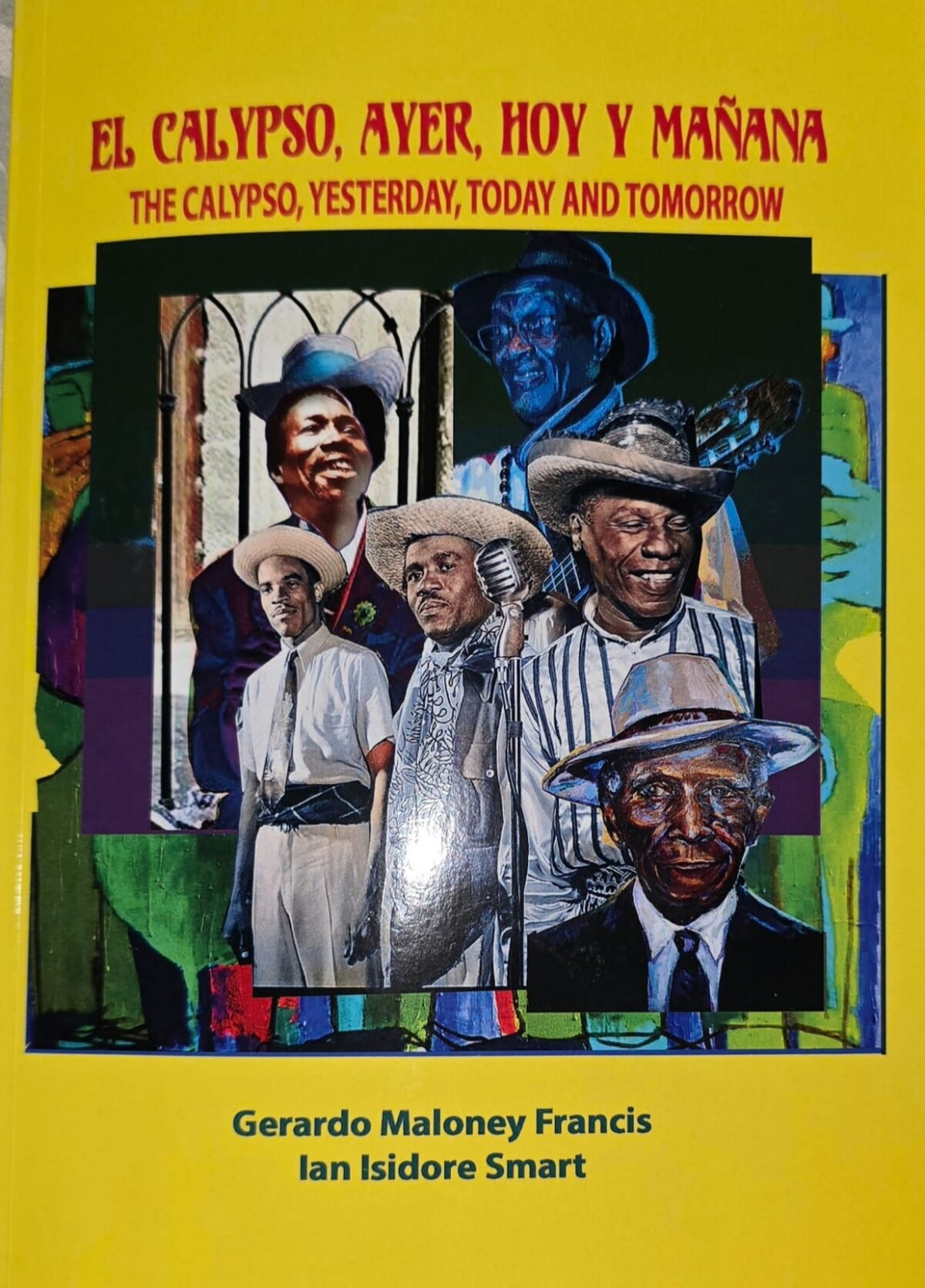
The Calypso, Yesterday, Today and Tomorrow — Gerardo Maloney Francis and Ian Isidore Smart
Our moments
Gallery
Moments that inspire us to keep going.
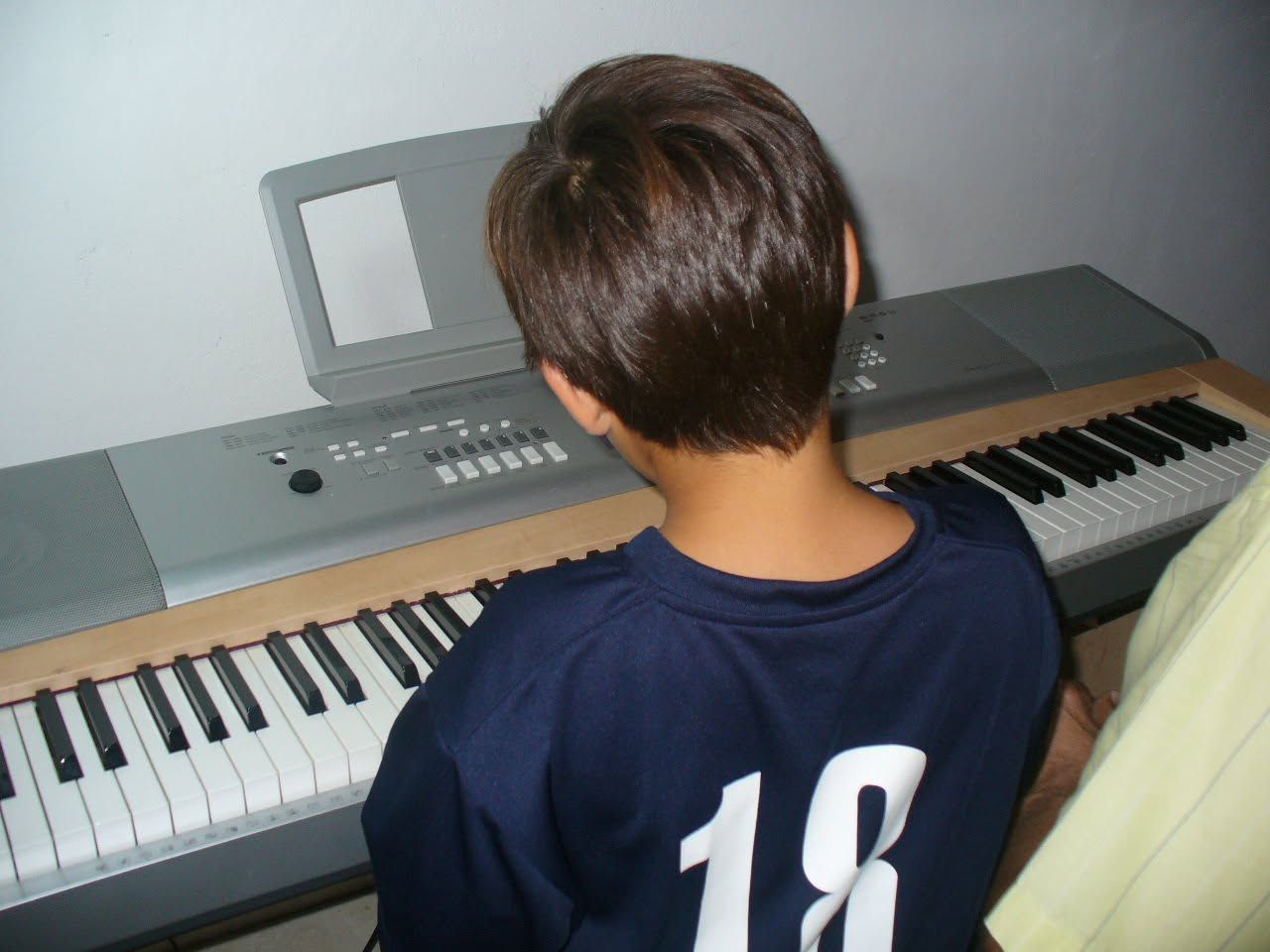
Pipo Navarro's great-grandson at the piano
A child playing the piano. He is Pipo Navarro's great-grandson, Jeffery Allen Farrar Véliz.
View image
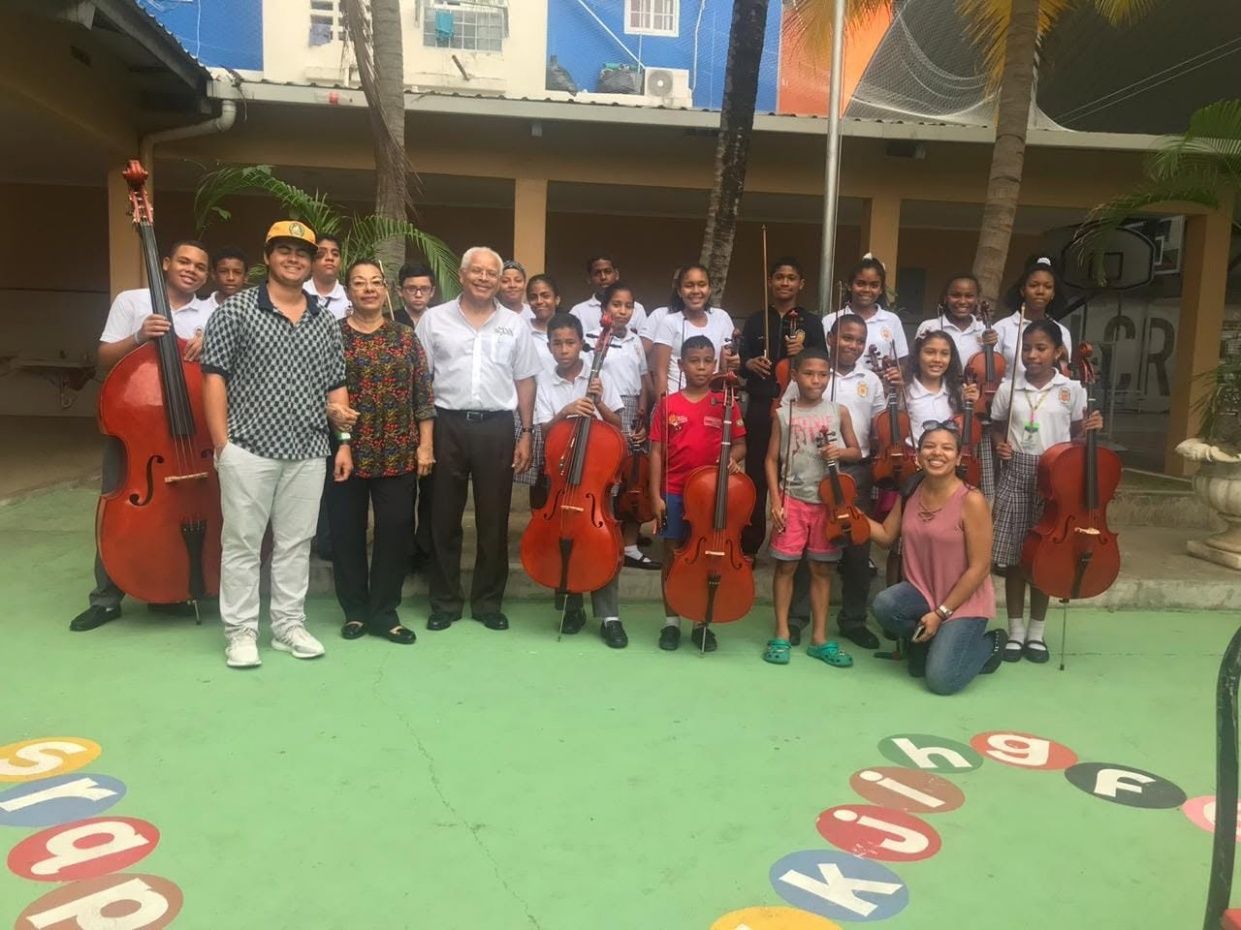
Visit to Nuestra Señora de Fátima School
The FPN Council visited the Nuestra Señora de Fátima School, located in El Chorrillo, a community of great vulnerability, where the Transformando Vidas Foundation provides music classes for children.
View image
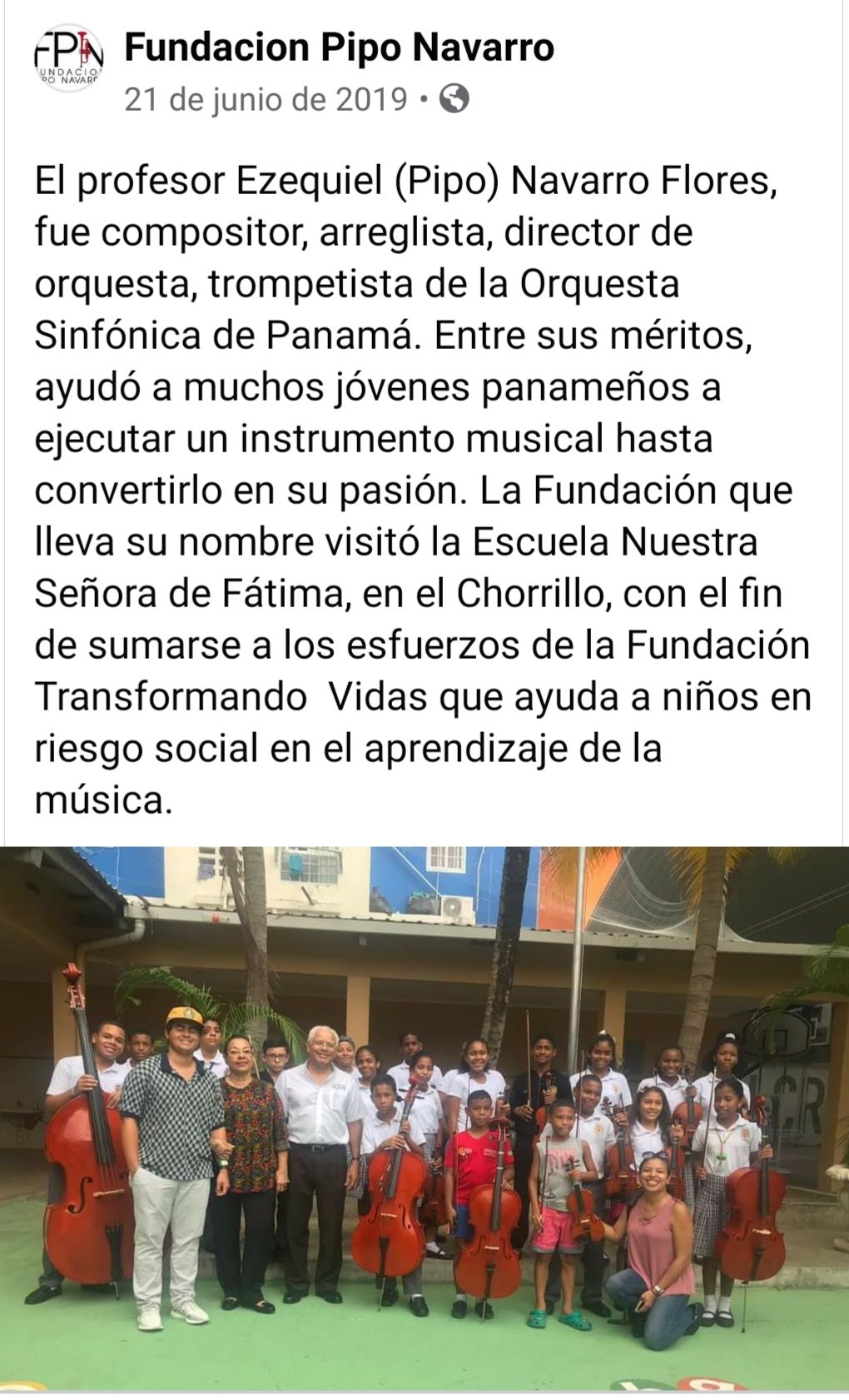
Facebook post about the Council's visit
Facebook post about the FPN Council's visit to the aforementioned location.
View image
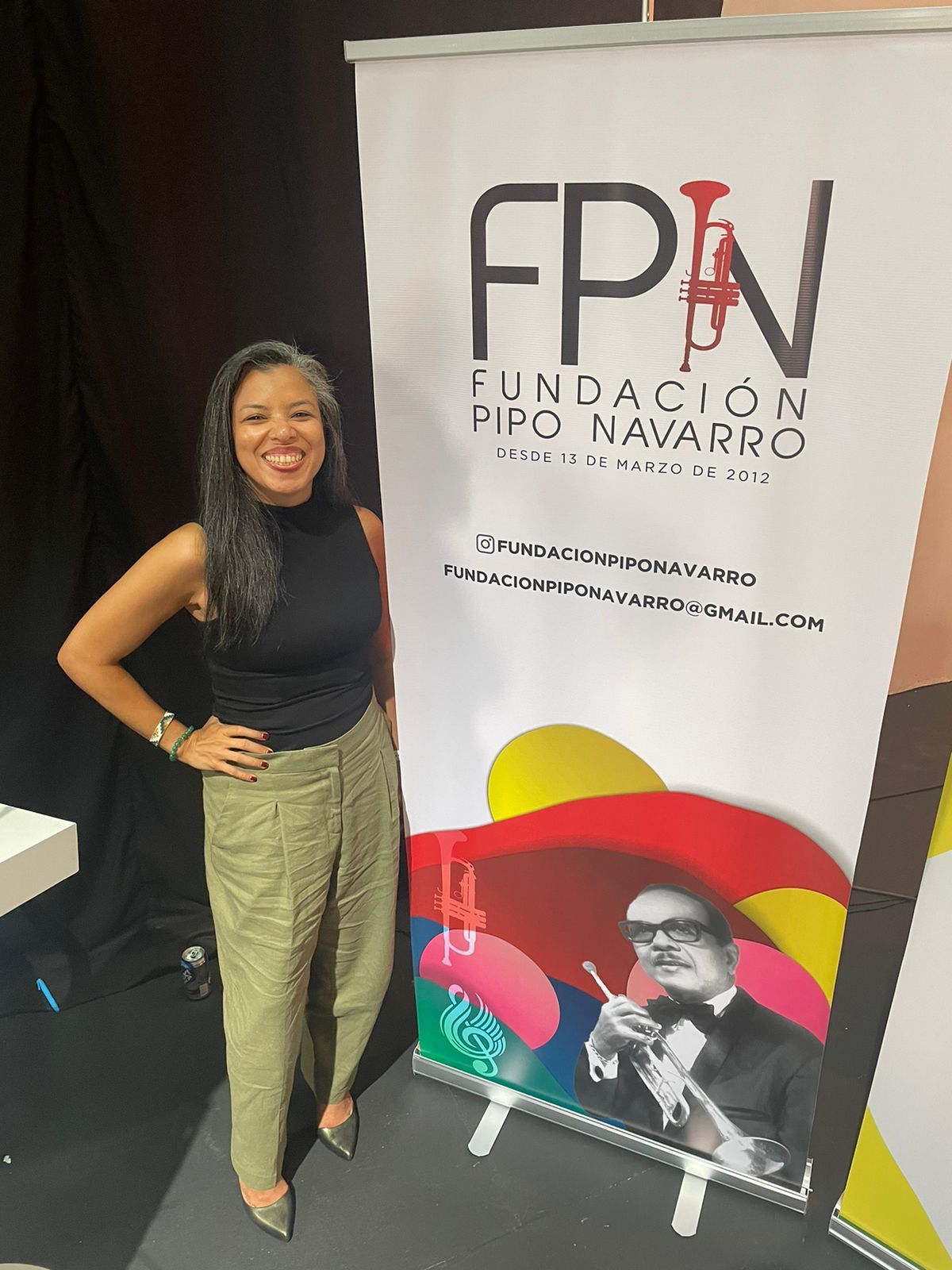
Nadezhka Véliz shows the FPN banner
The FPN representative and granddaughter of Pipo Navarro, Nadezhka E. Véliz de Clúa, shows the banner used by the FPN at the events it takes part in.
View image
FPN at Calypso Day in Colón
Members of the FPN accompany a Calypso musical group in the city of Colón, on the occasion of the 2nd anniversary celebration of Calypso Day in Panama.
View image
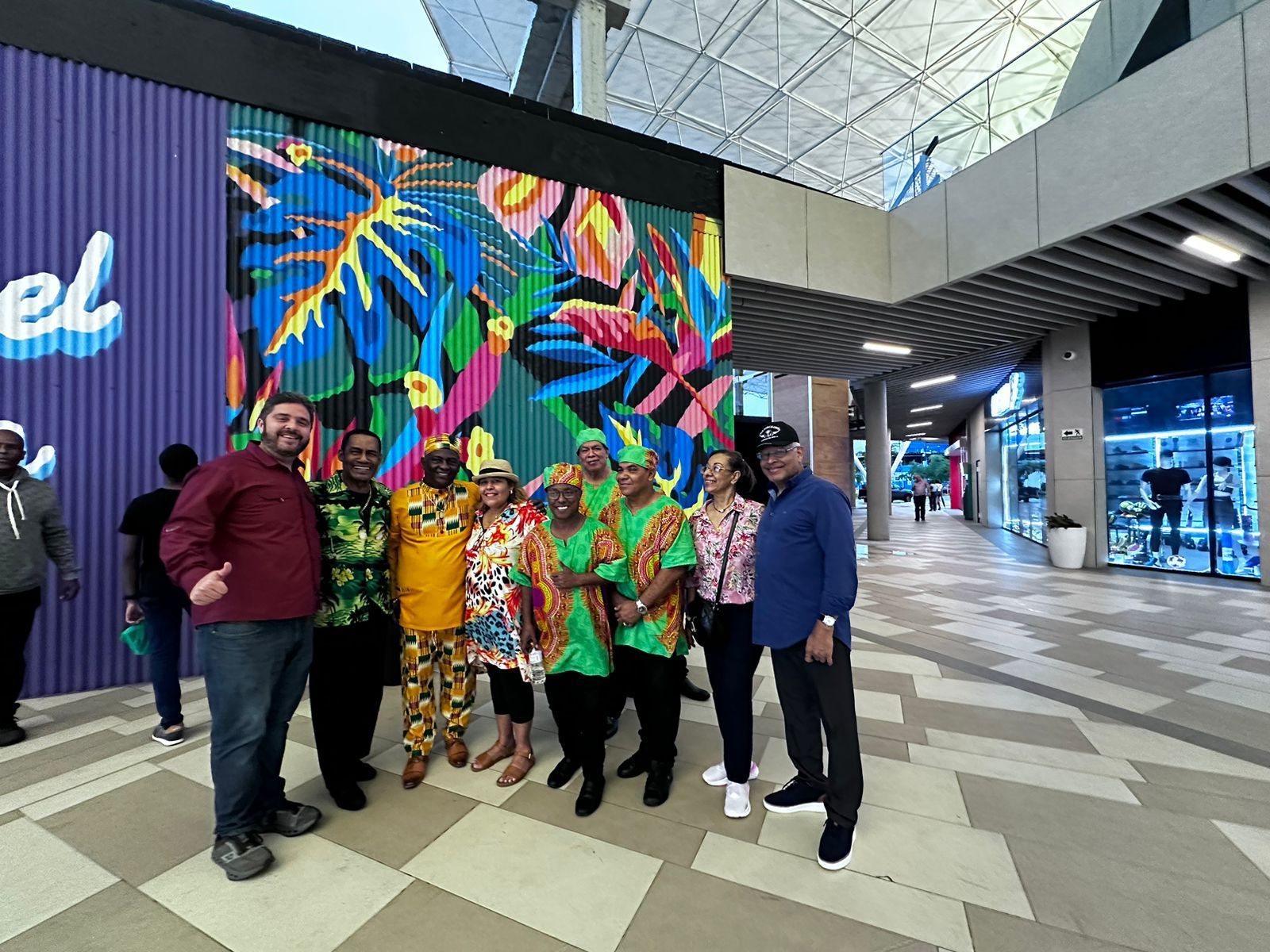
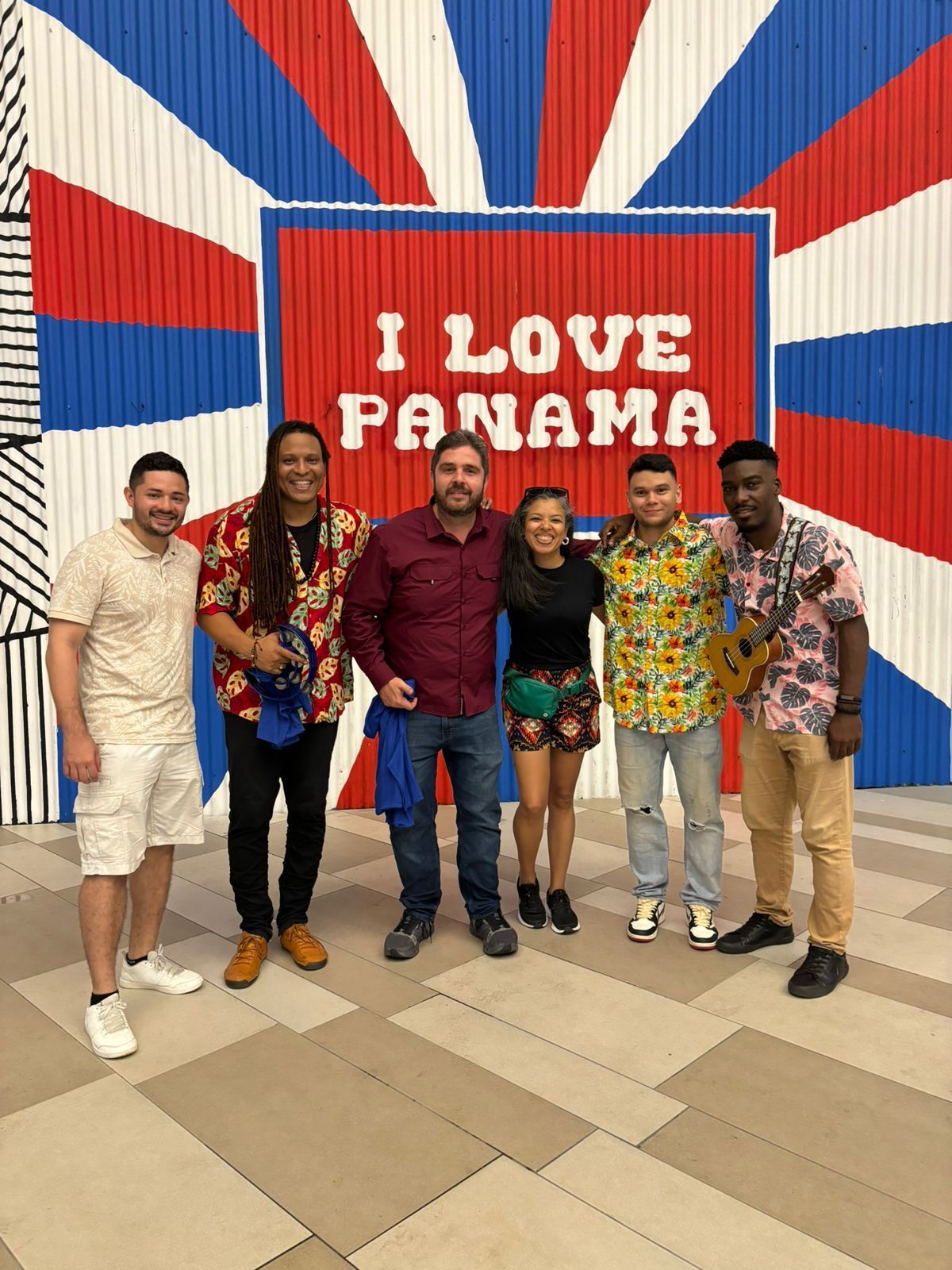
Calypso artists with the FPN
Panamanian Calypso performers appear alongside Facundo Clúa and Nadezhka E. Véliz during the 2nd anniversary celebration of Calypso Day in Panama.
View image
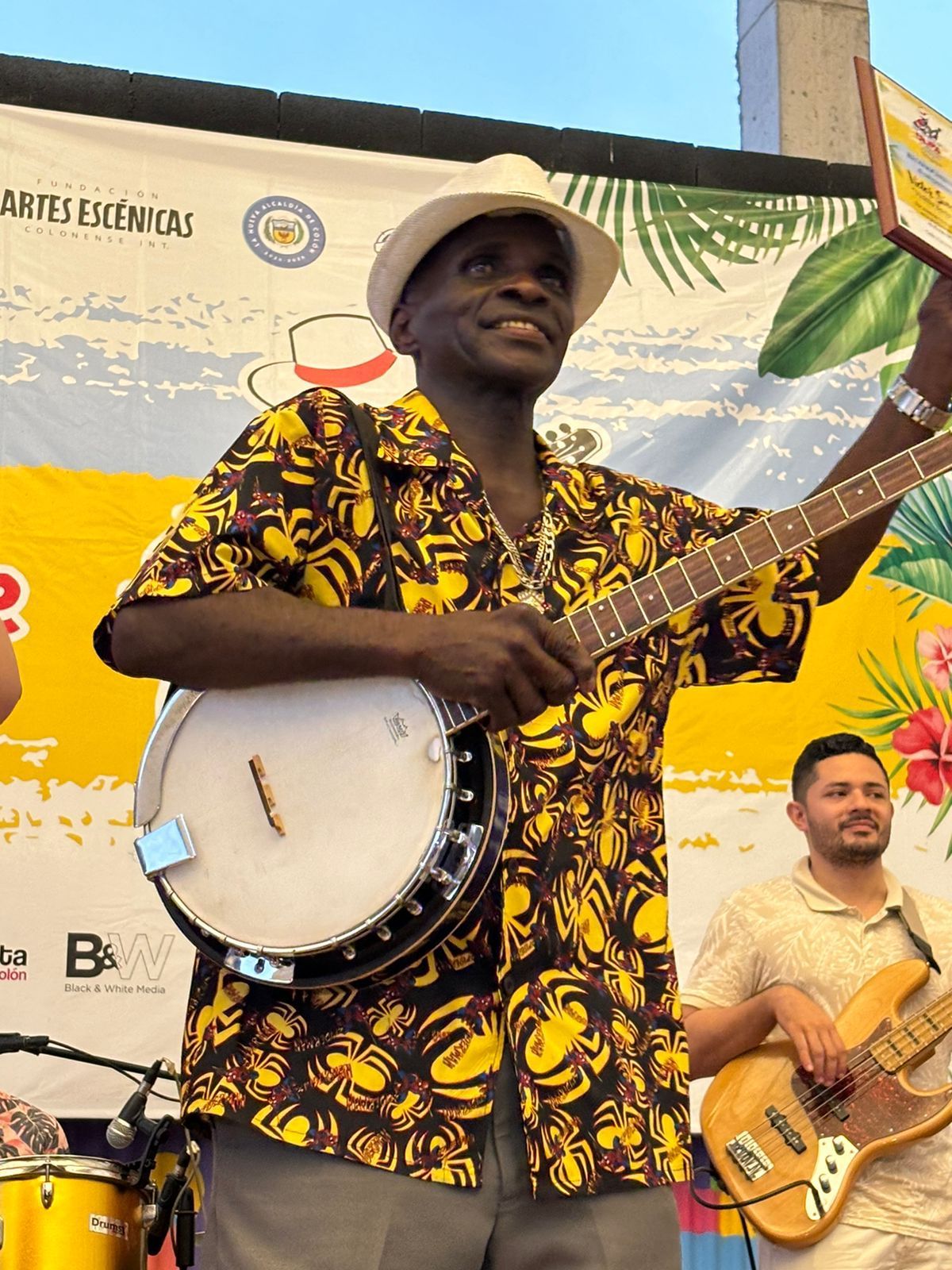
Banjo demonstration in Calypso music
A Panamanian Calypso performer demonstrates the versatility of the banjo, an instrument that is always present in a Calypso group.
View image
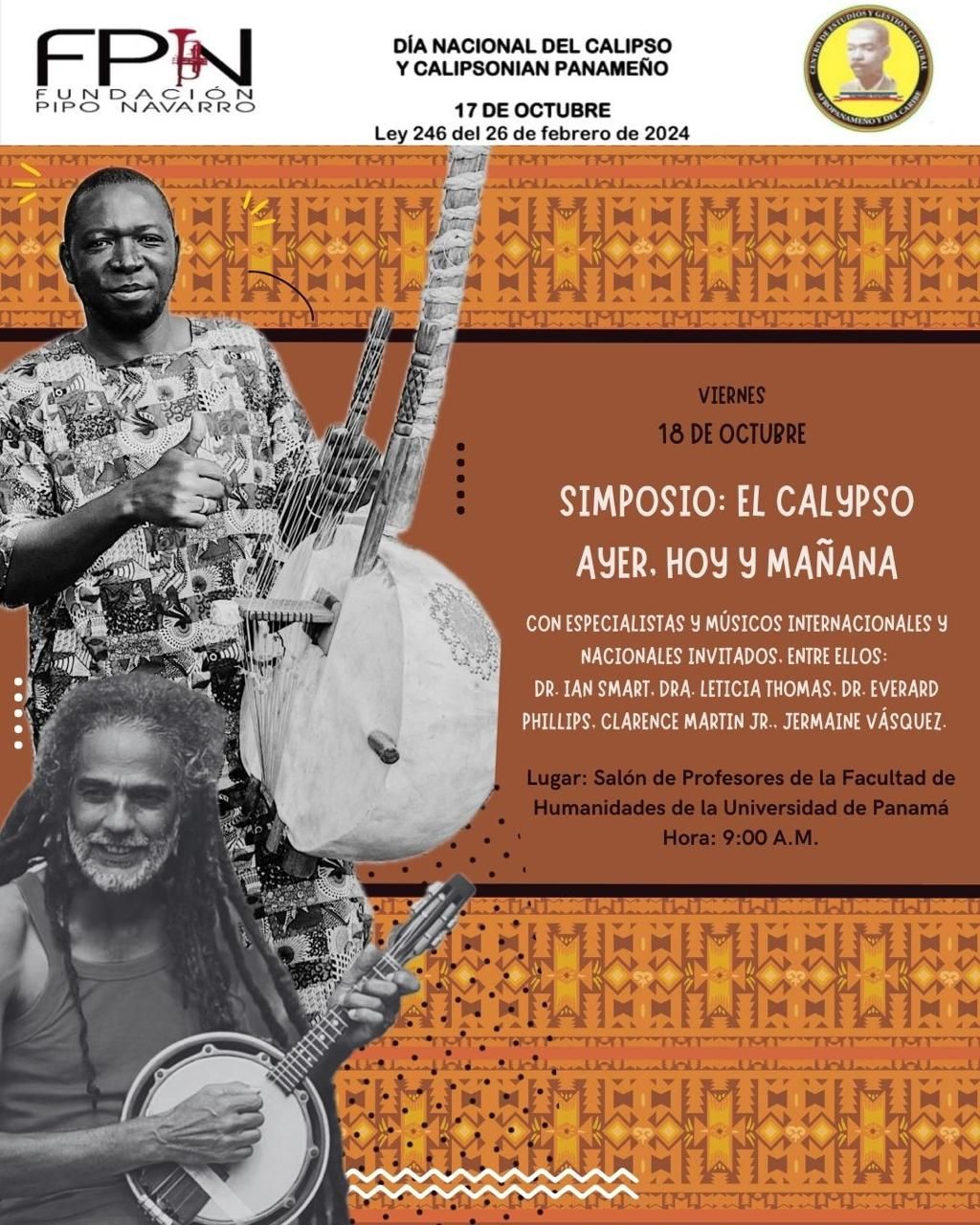
Symposium: Calypso, Yesterday, Today and Tomorrow
The FPN sponsored the Symposium: Calypso, Yesterday, Today and Tomorrow, held at the Faculty of Humanities of the University of Panama.
View image
Official FPN banner
The official banner of the FPN.
View image
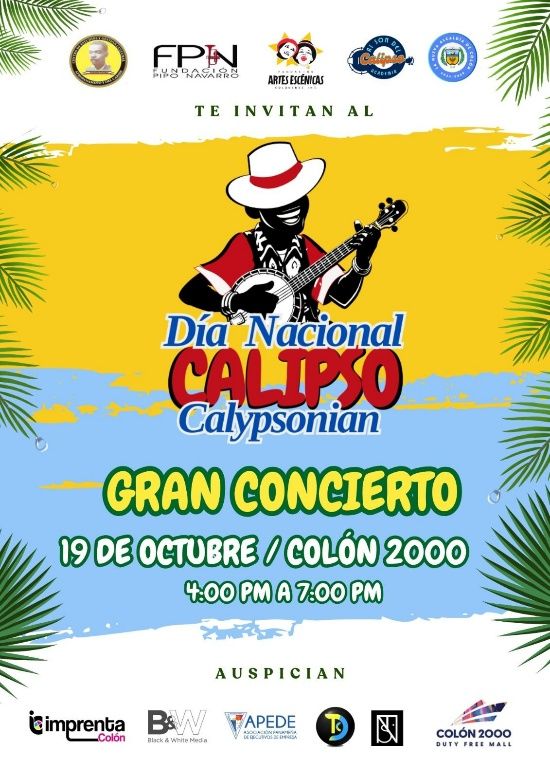
Promotional poster for Calypso Day
Poster published on social media promoting Calypso Day, an event the FPN is committed to.
View image
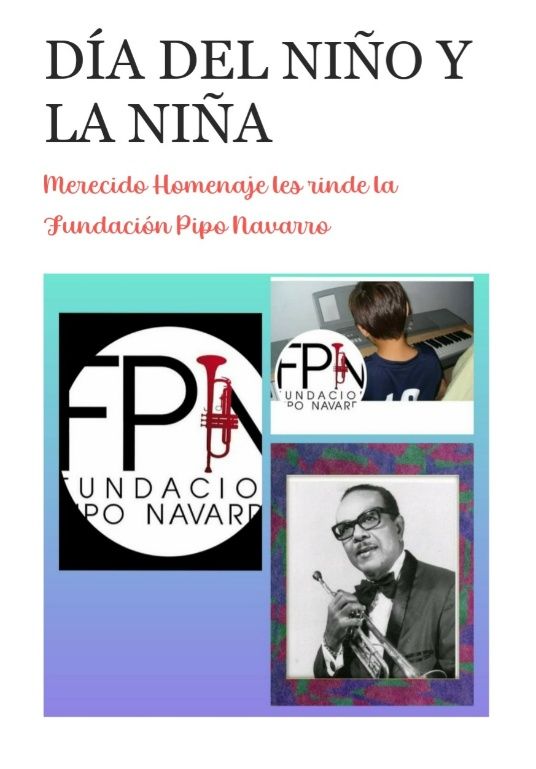
Tribute to Children's Day in Panama
Social media post from the FPN paying tribute to Children's Day in Panama, a date dedicated to promoting children's rights, inclusion, well-being, and full development for children across the country.
View image
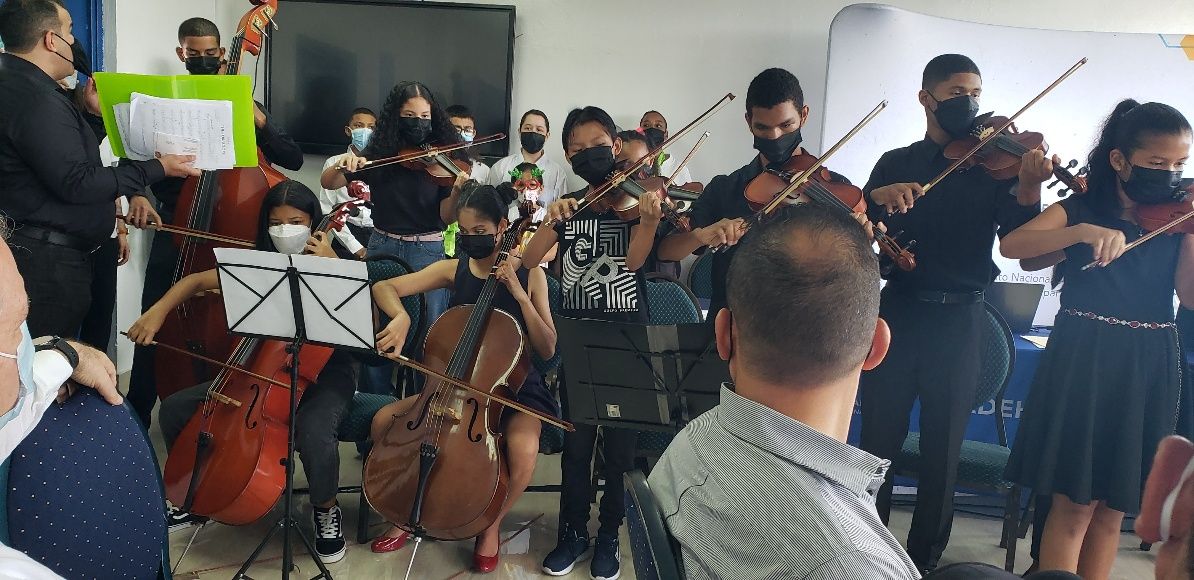
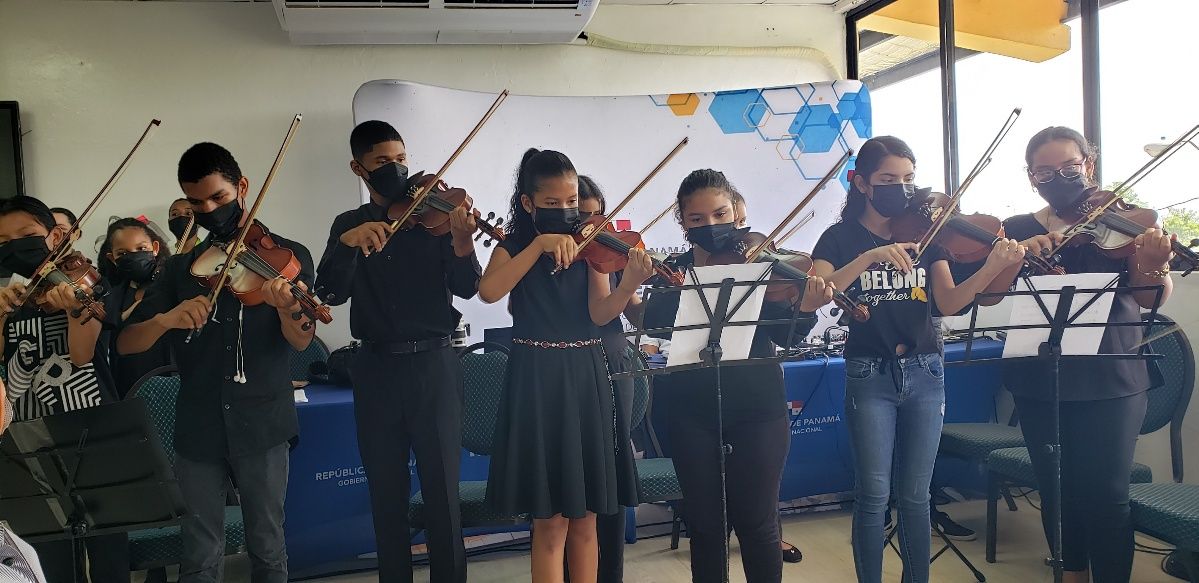
Opening of INADEH El Chorrillo's main hall
The FPN took part in the cultural event marking the opening of the main events hall of the National Institute for Professional Training and Human Development (INADEH), El Chorrillo branch, where free music classes are offered to children of the community. Images #13 and 14 show the string ensemble, made up of boys and girls, delighting the audience.
View image
INADEH El Chorrillo string ensemble
Same occasion as the previous image: the children's string ensemble from INADEH El Chorrillo delighting the audience.
View image
Pipo Navarro's group Estrellas Panameñas
From the Memory Album, we present the members of maestro Pipo Navarro's musical group, Estrellas Panameñas. Director Pipo Navarro is the second person standing, from left to right.
View image
Pipo Navarro with Pedro Vargas and Olga Guillot
This image shows a moment of camaraderie between maestro Pipo Navarro and great artistic figures, such as Pedro Vargas of Mexico and the Cuban Olga Guillot.
View image
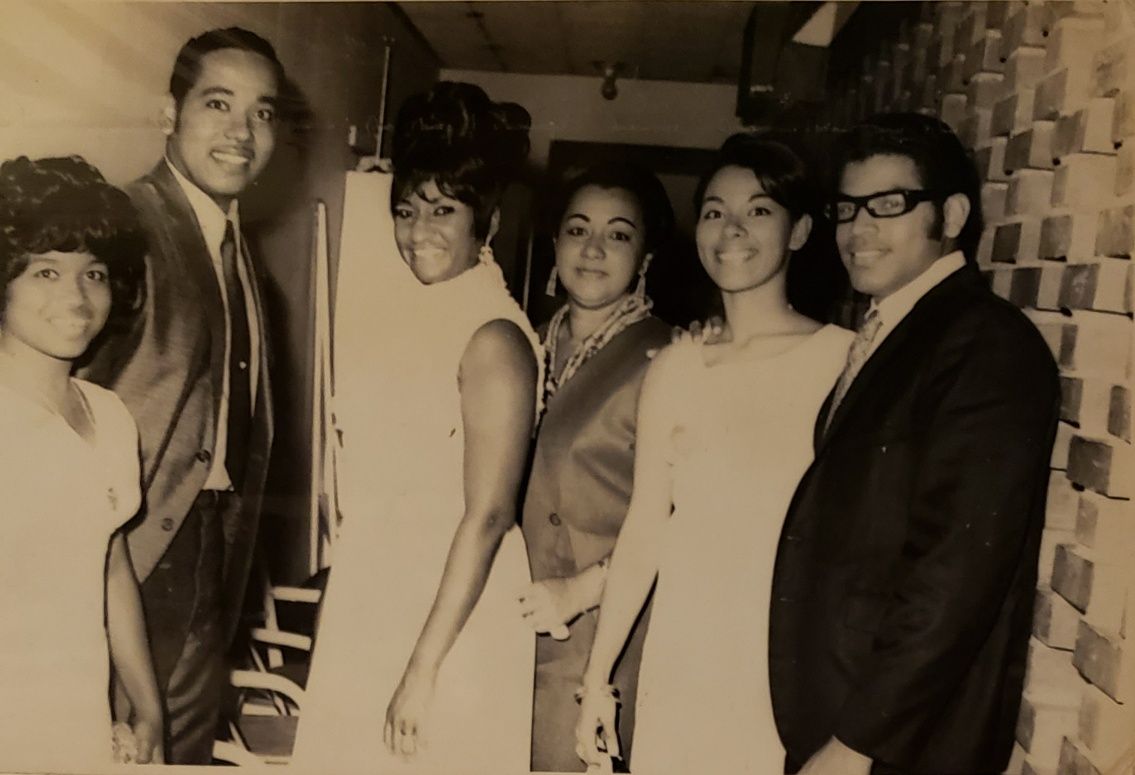
Pipo Navarro's family with Celia Cruz
Children and wife of maestro Pipo Navarro, sharing time with Celia Cruz, at one of her many performances in the Salón Portobelo of the Hotel Panamá Hilton.
View image
Pipo Navarro with various musical bands
Images of director Pipo Navarro with various musical groups he belonged to: the La Chorrera Fire Department Band, the Republican Band, and the Music Corps of the National Police of Panama.
View image
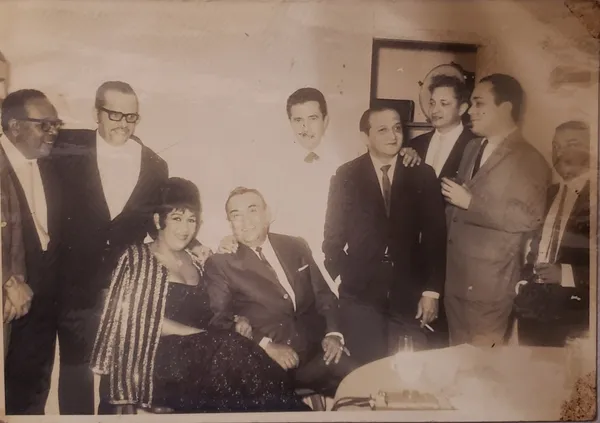
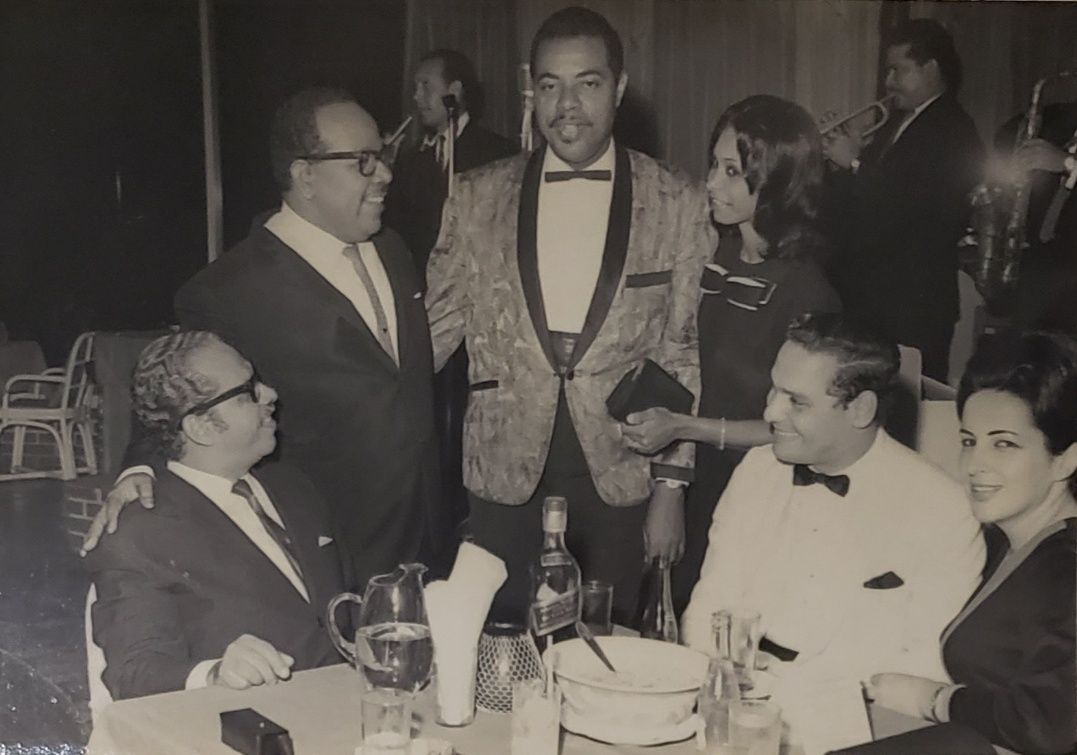
Pipo Navarro with Panamanian celebrities
A moment of camaraderie of director Pipo Navarro, alongside important figures of Panamanian entertainment, including: Clarence Martin (musician and composer), Eduardo Frangia (film and television), and Johnny Manzo (journalist and artist promoter).
View image
FPN and Community: Renewing Panama City
Outstanding collaboration and support from the FPN to achieve the restoration and beautification of La Plaza del Calypso, located on Vía España, near the Vereda Afroantillana, in Panama City.
View image
Get in touch
Contact Us
We are in Panama and always ready to hear from you.